
Landscaping Design & Maintenance
We don’t simply plan. We perfect.
Because your lawn deserves better than best.
— What actually makes a great landscape? more to mowing than what you see on the surface.
A well-designed landscape is more than just something that looks nice—it adds value, improves curb appeal, and creates a space that feels intentional and inviting. Whether you’re a homeowner, selling your property, or helping a client as a realtor, great landscaping plays a major role in how a space is experienced and perceived.
It goes beyond having a plan or a vision. It’s about turning that vision into something functional, beautiful, and easy to maintain. A strong landscape balances creativity with practicality, making sure every element works together as a cohesive outdoor environment.
- Eye-catching, polished aesthetics that elevate curb appeal
- A unique design that reflects personality and property style
- Practical layouts that are easy to maintain year-round
- An inviting outdoor space that feels open, comfortable, and welcoming
Sign Up Today to Get a Quote
— Common Questions
Common Questions About Landscaping Desgin & Maintenance
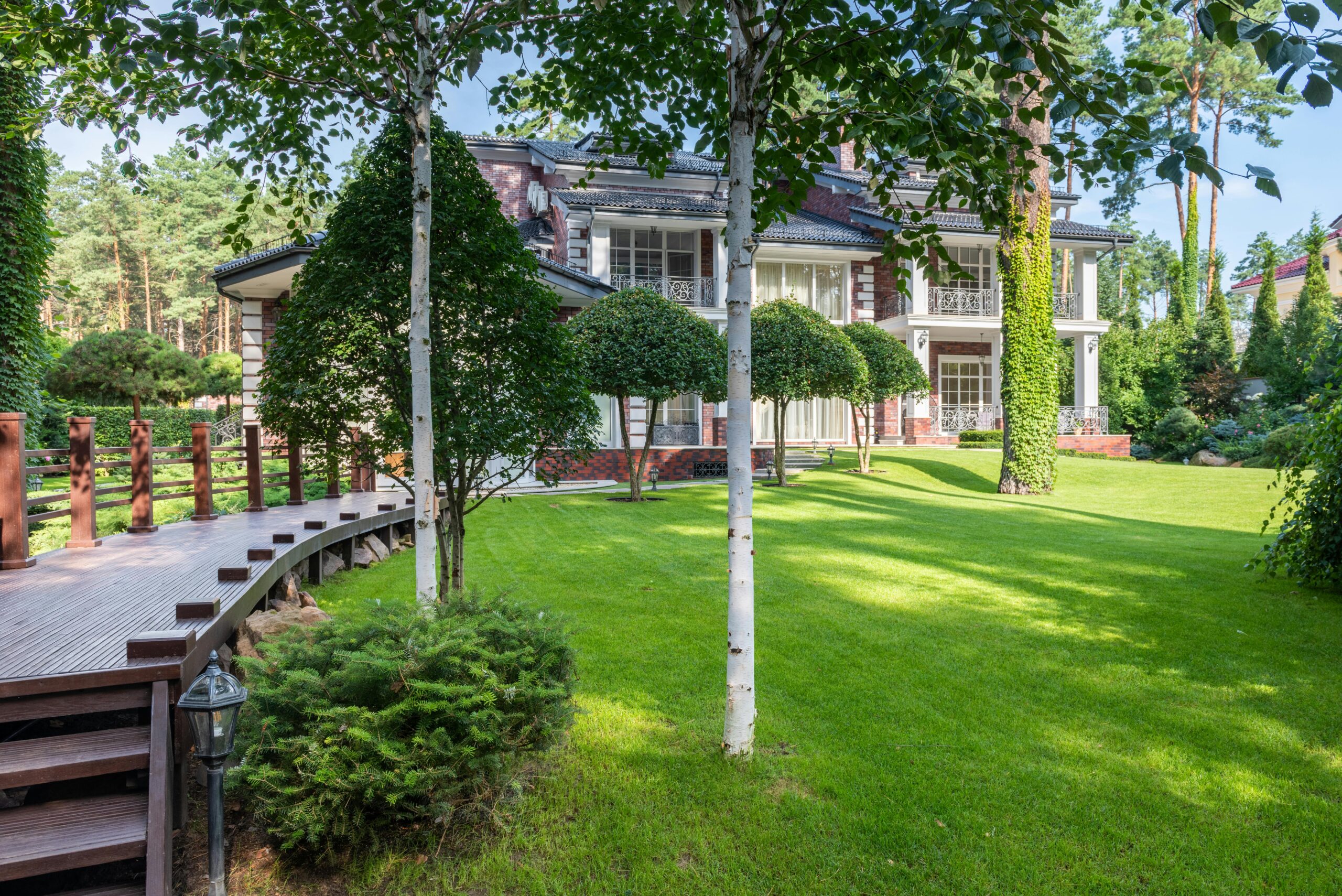
— Planning
What are the key factors to consider when planning a landscape design?
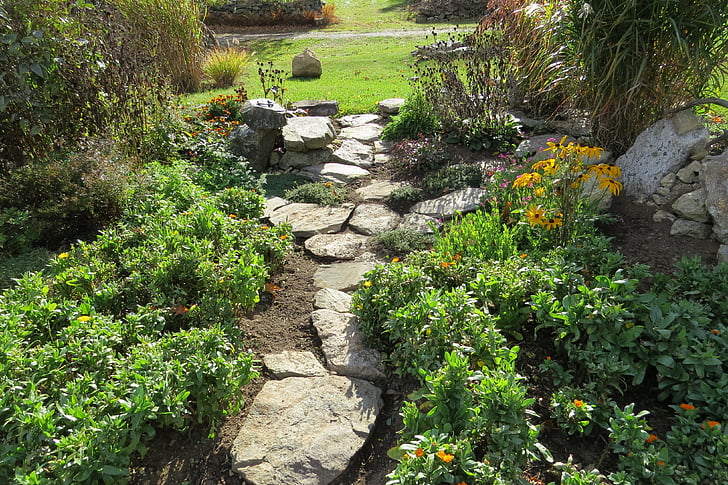
— Maintenance
How can I champion sustainability in landscaping?
Sustainable landscaping focuses on creating outdoor spaces that conserve resources while still looking beautiful and functioning well. This can include using drought-tolerant or native plants, installing efficient irrigation systems like drip watering, and reducing water waste through smart zoning. Composting yard waste, minimizing chemical fertilizers, and choosing permeable materials for walkways can also make a big difference. Over time, a sustainable landscape not only lowers maintenance costs but also supports healthier soil, pollinators, and the surrounding environment.
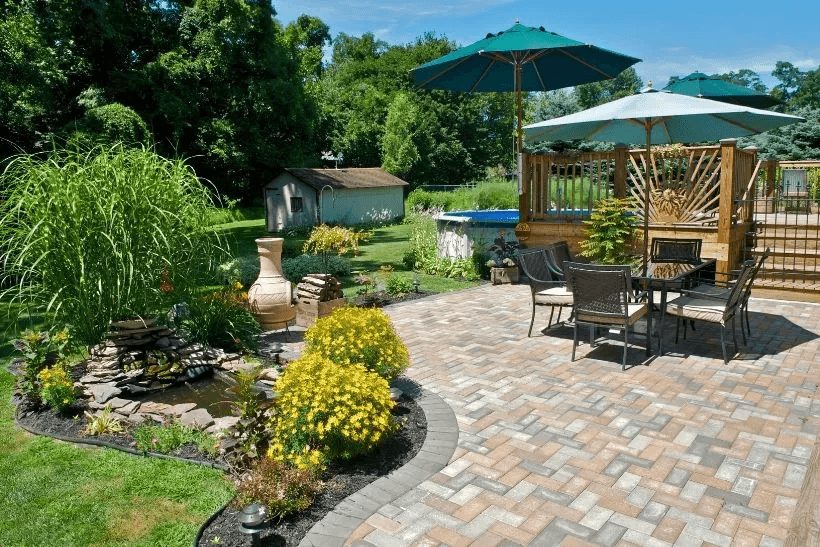
— Design
What kind of design elements should I consider?
A strong landscape design blends both hardscape and softscape elements to create balance and visual interest. Hardscape includes structures like patios, pathways, retaining walls, and lighting, while softscape refers to plants, trees, shrubs, and grass. Texture, color, height variation, and focal points—such as a feature tree or water element—help guide the eye and create structure in the space. It’s also important to consider flow and movement, ensuring the design feels cohesive and easy to navigate rather than crowded or disjointed.
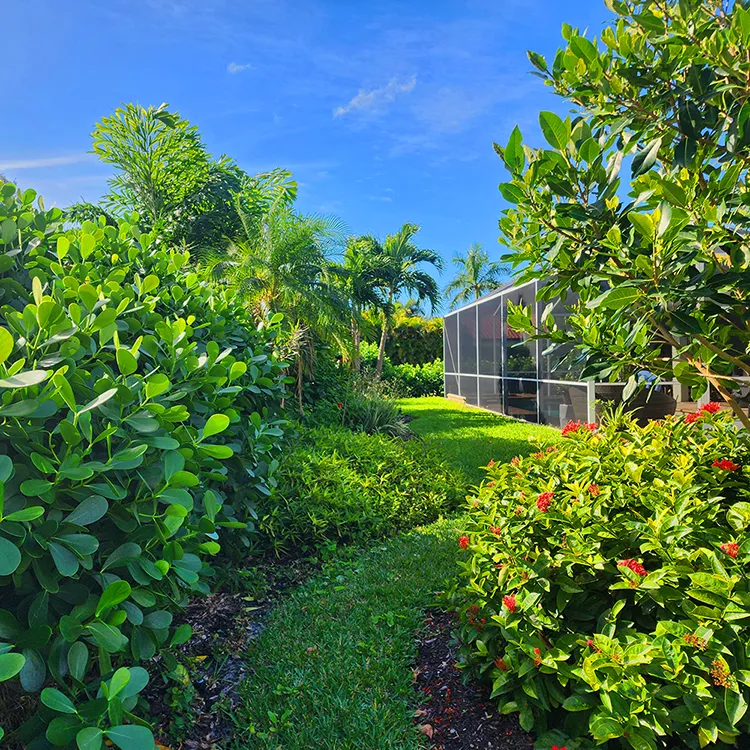
— Style