Rock & Mulch Maintenance
We don’t simply polish. We preserve.
Because your lawn deserves better than best.
— What’s the purpose of mulch and rock, really?
While they definitely improve curb appeal and give your landscape a clean, finished look, their benefits go far beyond aesthetics.
Mulch and rock play an important role in supporting plant health, reducing maintenance, and improving the overall structure of your outdoor space.
- Helps retain soil moisture and support healthier plant growth
- Suppresses weeds and reduces unwanted overgrowth
- Mulch adds nutrients that improve soil quality over time
- Rock provides long-lasting, low-maintenance ground coverage
Beyond looks, these materials help create a more efficient, sustainable landscape. Mulch is often ideal for plant-heavy areas, while rock works well for clean borders, pathways, and low-maintenance designs.
Choosing the right option depends on your yard, layout, and long-term goals—and the right setup can make a big difference in both appearance and upkeep.
Sign Up Today to Get a Quote
— Common Questions
Common Questions About Rock & Mulch Maintenance

— Cost
How our mulch and rock installations saving me money?
Mulch and rock installations can save money over time by reducing water usage, limiting weed growth, and decreasing the need for frequent lawn maintenance. Mulch helps soil retain moisture, which means you don’t have to water as often, while also breaking down over time to naturally enrich the soil. Rock installations are even lower maintenance, as they don’t need replacement and significantly reduce upkeep costs like mowing, fertilizing, or replanting. Both options also help prevent erosion and protect plant roots, which can reduce long-term landscape repair expenses.

— Maintenance
How much mulch will I need for my yard?
The amount of mulch you need depends on the square footage of the area and the desired depth, which is typically 2 to 3 inches for most landscaping beds. To calculate it, you measure the length and width of each bed, multiply to get square footage, and then determine how many cubic yards are required based on depth. Most landscape professionals recommend slightly rounding up to ensure full coverage and avoid thin spots that can lead to weed growth or moisture loss. If you’re unsure, it’s usually better to have a little extra than not enough.
— Hardscaping
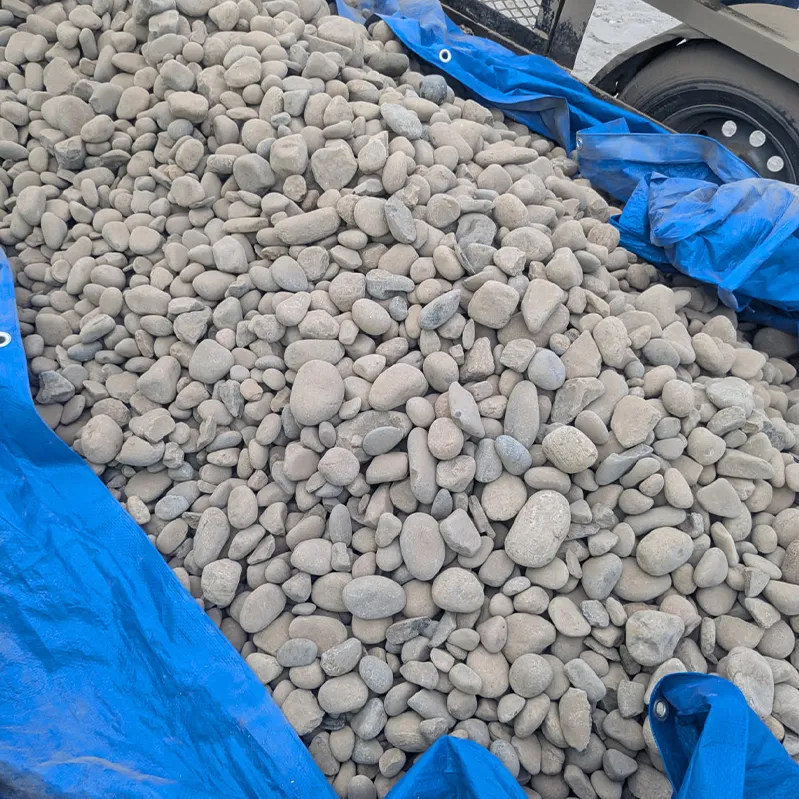
What types or styles of rock for hardscaping should I use?
The best type of rock for hardscaping depends on the function and style of your landscape. For decorative areas, options like river rock or pea gravel offer a natural, smooth appearance, while crushed granite or decomposed granite provides a more compact surface ideal for pathways. Larger stones, such as boulders, are often used as focal points or borders to add structure and visual interest. In hot, dry climates, lighter-colored rock can also help reflect heat and keep outdoor spaces cooler while maintaining a clean, modern look.

— Maintenance