Plant Care Maintenance
We don’t simply design. We diagnose.
Because your lawn deserves better than best.
— Why do flowers need regular care?
Sunshine and rain help, but they’re not always enough to keep flower beds healthy and thriving. Heat, drought, pests, storms, and changing weather conditions can all take a toll on your plants over time.
Flowers do more than add color—they bring life, character, and curb appeal to your landscape. But even the best-designed flower bed can lose its impact if the plants aren’t properly maintained.
- Encourages healthier growth and longer-lasting blooms
- Helps protect plants from pests, disease, and weather stress
- Improves the overall appearance of your landscape
- Maintains proper watering, soil health, and drainage conditions
Healthy flowers are the finishing touch that ties your entire outdoor space together. With the right care and attention, your flower beds can stay vibrant, beautiful, and full of life throughout the seasons.
Sign Up Today to Get a Quote
— Common Questions
Common Questions About Plant Care Maintenance
— Type
How do I find out what soil type I have?
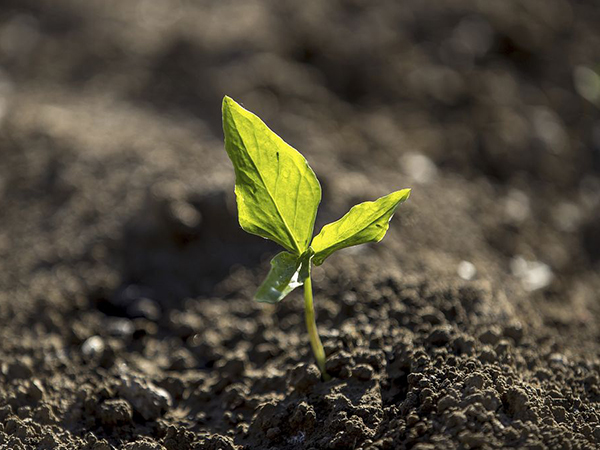
Determining your soil type is important because it affects drainage, nutrient retention, and how well plants will grow in your yard or garden. A simple way to test it is by feeling the soil when it’s slightly damp. Sandy soil feels gritty and drains quickly, clay soil feels sticky and dense, and loamy soil feels soft and crumbly while holding moisture well. You can also perform a basic jar test by mixing soil with water in a clear container and allowing it to settle into layers. For the most accurate results, professional soil testing can provide detailed information about pH levels, nutrients, and overall soil health.

— Maintenance
What's the difference between mulch and compost?
Mulch and compost serve different purposes in landscaping and gardening, even though both improve soil conditions. Mulch is primarily used as a protective top layer placed over soil to help retain moisture, regulate temperature, and suppress weeds. It can be made from materials like bark, wood chips, straw, or rock. Compost, on the other hand, is decomposed organic material rich in nutrients that is mixed into the soil to improve fertility and structure. In simple terms, mulch protects the soil from above, while compost improves the soil from within.

— Flowers
Soil, pots or beds: what's best for my flowers?
The best choice depends on the type of flowers you want to grow, your available space, and how much maintenance you prefer. In-ground soil planting works well for larger flower gardens and allows roots to spread naturally, while raised beds provide better drainage and more control over soil quality. Pots and containers are ideal for patios, smaller spaces, or flowers that need to be moved based on sunlight or weather conditions. Many gardeners actually combine all three methods to create variety and flexibility throughout their landscape.

— Veggies