Power Washing
Washing with power. And peace of mind.
Because your lawn deserves better than best.
— Why should power washing be done by professionals instead of as a DIY project?
Power washing may look straightforward, but achieving safe, effective results takes the right equipment, experience, and technique. High-pressure water can easily damage siding, paint, wood, and other exterior surfaces if it’s not handled correctly.
Professionals know how to adjust pressure levels, choose the right cleaning solutions, and target problem areas without causing harm to your property. The result is a deeper, more even clean that not only improves appearance but also helps protect your home over time.
- Prevents costly damage to siding, paint, wood, and other surfaces
- Uses commercial-grade equipment and properly selected cleaning solutions
- Reduces risk of injury from high-pressure equipment and hard-to-reach areas
- Delivers a more thorough, consistent, and longer-lasting clean
Sign Up Today to Get a Quote
— Common Questions
Common Questions About Power Washing
— Maintenance
Power washing isn't simply about cleaning up the dirt
Power washing isn’t simply about removing visible dirt—it’s also about restoring and protecting exterior surfaces from long-term damage caused by buildup. Mold, mildew, algae, and grime can slowly break down materials like siding, concrete, and wood if they’re not properly cleaned. A professional approach doesn’t just improve appearance, but also helps preserve the structural integrity of surfaces and prevent costly repairs down the line. When done correctly, power washing is both a cleaning and preventative maintenance service.

— DIY
Why is DIY not good for your wood surfaces?
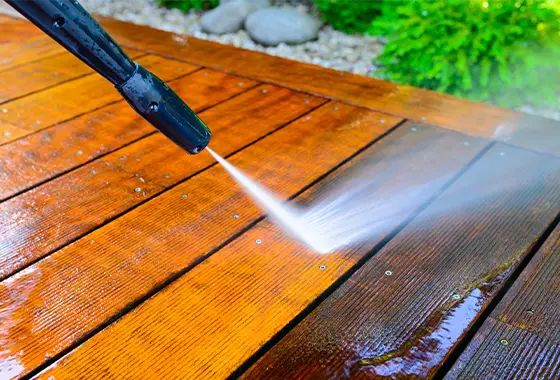
DIY power washing on wood surfaces can easily cause damage because wood is soft and highly sensitive to pressure. Using too much force or the wrong nozzle can splinter the wood, strip protective finishes, and leave permanent marks or “furring” on the surface. Even if the damage isn’t immediately obvious, it can shorten the lifespan of decks, fences, and siding by exposing the material to moisture and decay. Professionals know how to adjust pressure and technique to clean wood safely without compromising its integrity.

— Technique
The right professional technique matters
The effectiveness and safety of power washing depend heavily on using the correct technique, including pressure settings, spray angles, and cleaning solutions. Different surfaces—such as concrete, vinyl, stucco, or wood—require very different approaches to avoid damage while still achieving a deep clean. Professionals are trained to identify these differences and apply the right method for each situation. Without that knowledge, it’s easy to under-clean surfaces or, worse, cause permanent damage that outweighs the benefits of the cleaning itself.

— Planning