Lawn Weeding Maintenance
Reclaim your lawn—one weed at a time
We don’t just plant. We cultivate.
Because your lawn deserves better than best.
— Weeds don’t just affect appearance—they can seriously harm your landscape.
They thrive in open spaces, quickly competing with your grass and plants for essential water and nutrients. In Fort Myers’ warm, humid climate, weeds spread even faster, making proactive care essential rather than occasional cleanup.
- Manual and targeted weed removal for effective control
- Protection of surrounding grass, plants, and soil health
- Preventive treatments to reduce future growth
- Ongoing monitoring of high-risk areas
A weed-free lawn isn’t just more attractive—it’s stronger, healthier, and more resistant to future issues. With consistent care, your landscape stays clean, balanced, and thriving year-round.
Sign Up Today to Get a Quote
— Common Questions
Common Questions About Lawn Weeding Maintenance
— Common
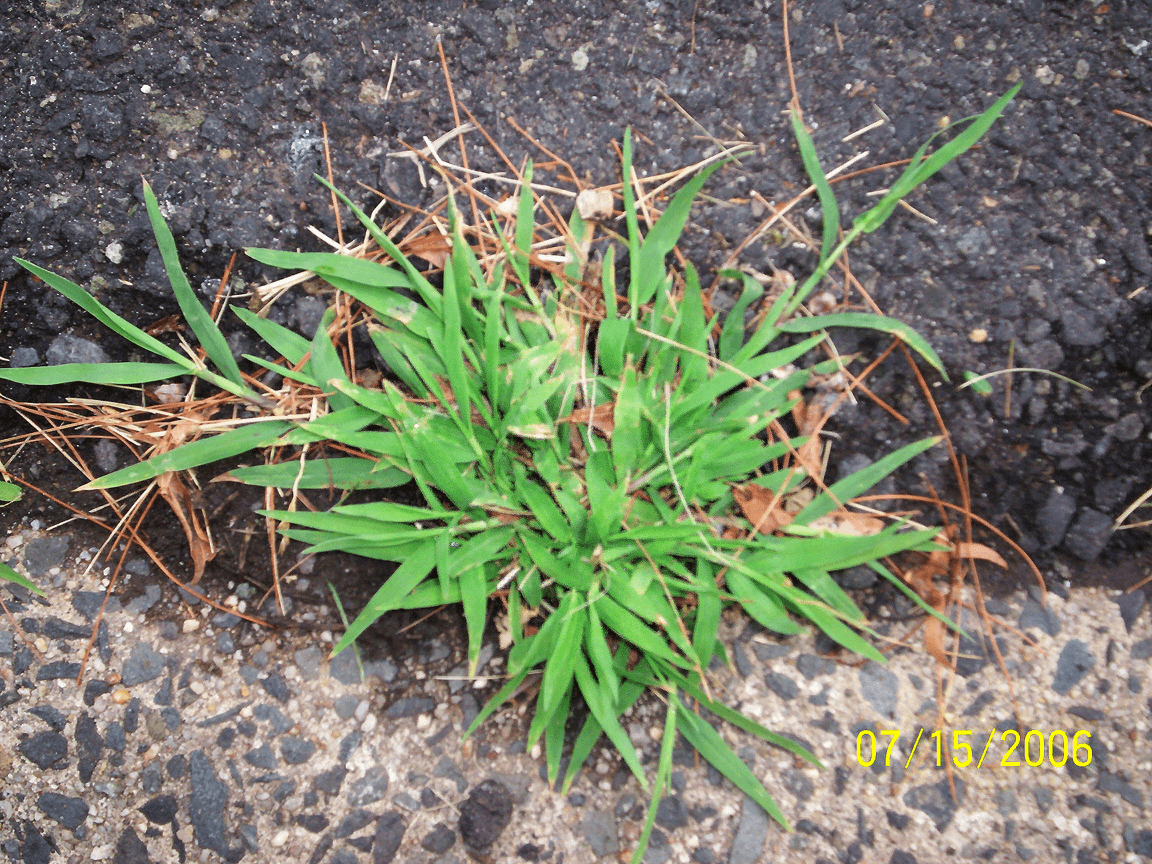
What weeds are most common in Pine Island?
In warm coastal areas like Pine Island, common weeds often include crabgrass, sedge, dollarweed, spurge, and various types of broadleaf weeds that thrive in heat and humidity. These weeds spread quickly in sandy soils and take advantage of overwatered or thin turf areas. Because the climate supports year-round growth, weeds can establish themselves fast if lawns aren’t regularly maintained. Proper mowing, irrigation management, and seasonal treatments are usually necessary to keep them under control.
— Wildlife
Can wildlife spread weeds into my yard?
Yes, wildlife can play a major role in spreading weeds into your yard. Birds, deer, rabbits, and even small rodents can carry seeds on their fur or feathers, or deposit them through droppings after eating plants elsewhere. Wind and water movement can also transport seeds from nearby areas, especially in open or undeveloped spaces. Once introduced, these seeds can germinate if conditions are favorable, which is why consistent lawn maintenance is important even if your own yard is well cared for.
— Herbicides
Are herbicides safe for the surrounding lawn and plants?
Herbicides can be safe when used correctly, but their effectiveness and safety depend heavily on the type of product and how it’s applied. Selective herbicides are designed to target specific weeds without harming grass, while non-selective herbicides will kill any plant they come into contact with. Proper application, correct timing, and following label instructions are essential to avoid damage to surrounding plants. In many cases, professional application helps ensure weeds are treated effectively while protecting the health of the rest of the landscape.

— Prevention